Research lab
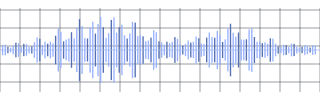
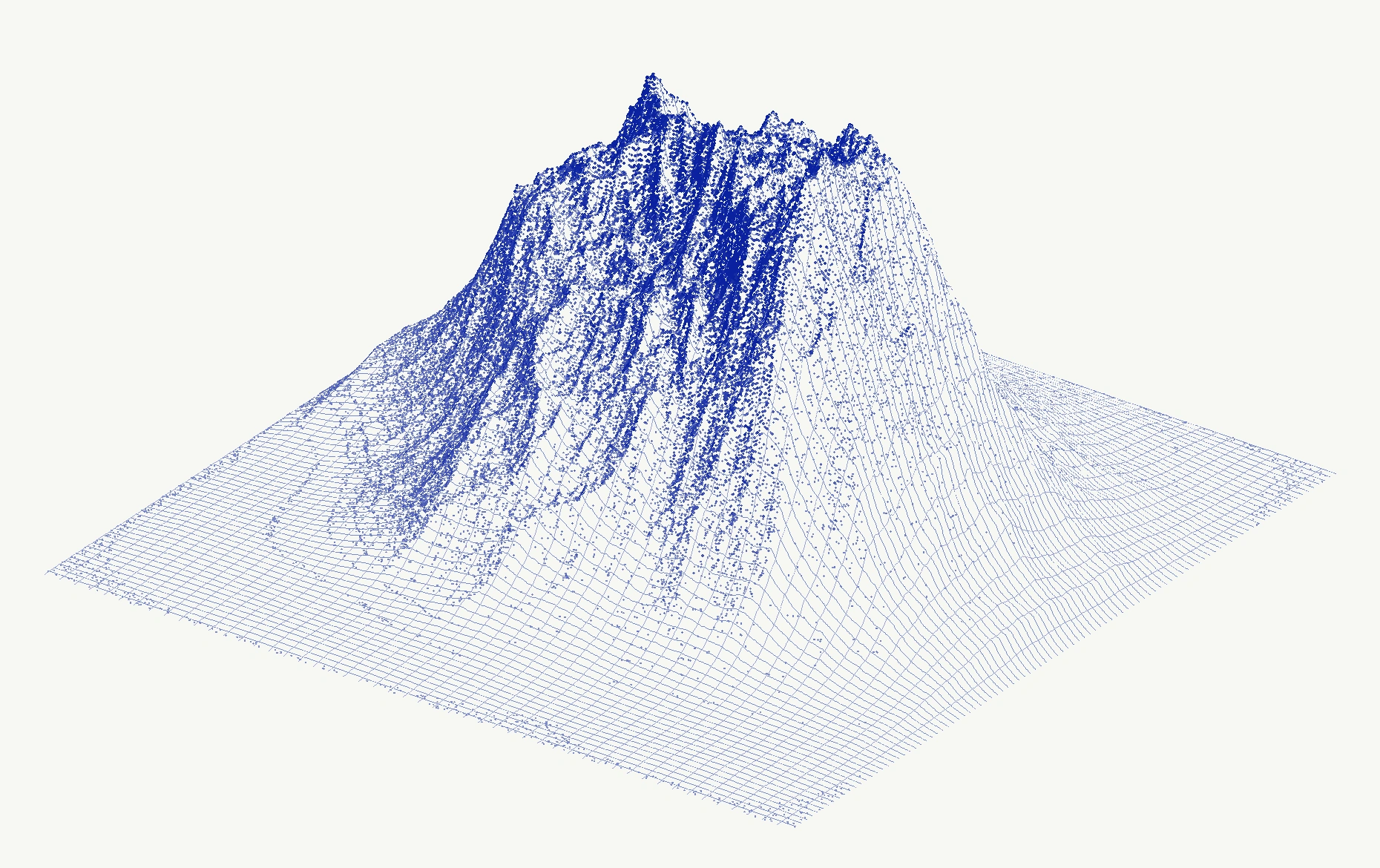
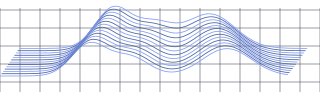
Explore variants, stress assumptions, and test your selections on unseen market periods.
Systematic trading platform
Apex Lake gives quant teams one place to test strategies on market history, deploy the same code, and compare live fills with the backtest.
Engine benchmark
Nov 2025 – Oct 2026
The platform
Follow a strategy from its first out-of-sample test to the orders your venue actually fills.
Explore variants, stress assumptions, and test your selections on unseen market periods.
Backtest and deploy the same strategy code through a shared event-driven trading API.
Replay a live window against history. Trace differences in entries, exits, and fills back to individual trades.
Inside the research lab
Use the lab’s coding agent to compare strategies on past data, then test your selection on the next unseen period.
Coding agent
Describe the change or the question in plain language. The agent works directly with your strategy code, experiments, and run history.
“Add a volatility filter to my entry rule. Keep position sizing fixed.”
The agent edits the TypeScript strategy and runs its code checks.
“Backtest the filter against the original with the same fees.”
The agent runs both versions and compares trade count, net return, and drawdown.
“Try to reduce turnover. Stop after five experiments.”
The agent chooses the next experiment from prior results and records what it kept or rejected.
“The backtest bought ETH here. Why is the live fill missing?”
The agent traces the running release and compares the replay with the worker’s orders and venue responses.
Architecture
Run the same strategy on historical and live data. Compare simulated fills with the fills your venue reports.
Historical data · Binance, Bybit, OKX
Live execution · Binance, Interactive Brokers
Live reconciliation
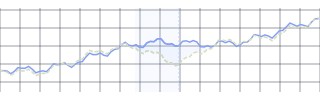
Line up replay and live trades. See where fills matched and trace a missing trade back to the venue’s response.
Both bought 1 ETH at 3,100.00 USDT within the same second.
At 09:32, the venue rejected the buy order during maintenance.
Portfolio operations
Follow each live strategy back to its release, its portfolio, and the capital behind it.
Portfolio equity
20,528.04 USDC
Get in touch
See a research run, its deployed release, and the fills it produced.